
Transform Your Pins into Profit: The Pinterest Money-Making Guide
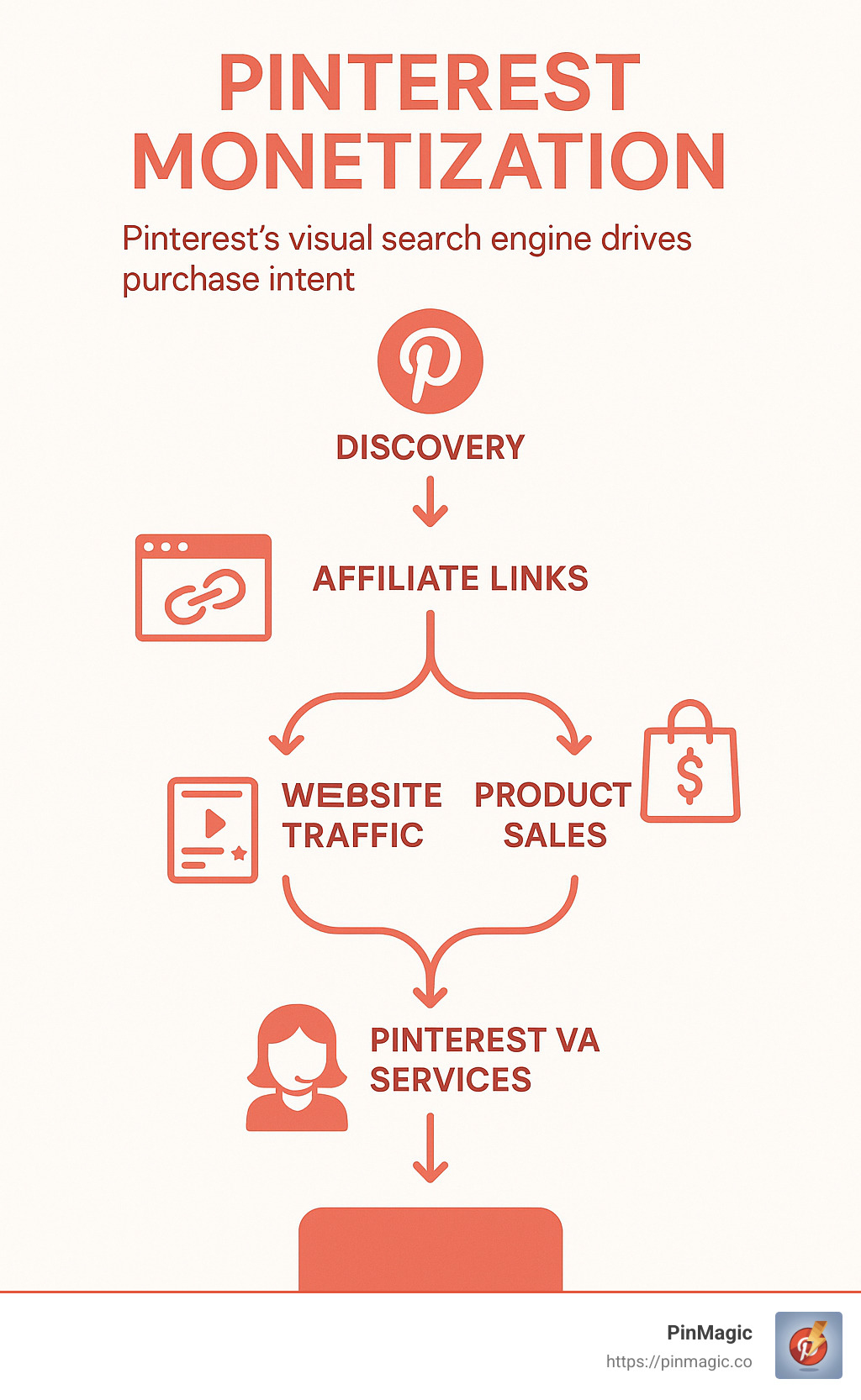
How to make money on Pinterest isn’t as complicated as you might think. Unlike traditional social media where you’re fighting for attention in a crowded feed, Pinterest works more like a visual search engine where people are actively looking for ideas, products, and solutions.
If you’re eager to get started, here’s a quick look at the most effective ways to monetize your Pinterest presence:
| Method | Difficulty | Startup Cost | Income Potential |
|---|---|---|---|
| Affiliate marketing | Low | $0 | $100-$1000+/month |
| Drive blog/website traffic | Medium | $0-$15/month | $100-$5000+/month |
| Sponsored content | Medium | $0 | $200-$600 per pin |
| Sell products directly | Medium | Varies | Unlimited |
| Pinterest VA services | Medium | $0 | $25-$100/hour |
| Pinterest ads | Medium | $5+ | ROI-based |
| Group board collaborations | Low | $0 | Indirect |
What makes Pinterest special is its 537 million monthly active users who aren’t just mindlessly scrolling—they’re actively searching with purchase intent. This shopping mindset creates a goldmine for creators looking to monetize their content.
The platform’s own research reveals that 89% of weekly Pinterest users incorporate the platform into their purchasing journey. When someone searches for “small space organization ideas” or “summer outfit inspiration,” they’re often ready to buy the products that help them achieve those goals.
Here’s what might surprise you: you don’t need thousands of followers to start seeing results. While follower counts matter on Instagram or TikTok, Pinterest’s algorithm focuses more on content quality and keyword optimization. This levels the playing field for newcomers and established creators alike.
“Pinterest users aren’t mindlessly scrolling—they’re planning purchases, which makes Pinterest uniquely monetizable.”
Whether you’re a craft blogger looking to drive traffic, a small business owner selling handmade products, or someone with Pinterest expertise to offer as a service, there’s a monetization path that aligns with your strengths.
The visual nature of Pinterest combined with its search-focused approach creates something special—pins can continue generating income months or even years after you create them. Unlike the 24-hour lifespan of most social media posts, a well-optimized pin can deliver traffic and sales for the long haul.
How to Make Money on Pinterest: Quick Start Checklist
Ready to turn your Pinterest passion into profit? Before we explore specific strategies, let’s make sure you have the essentials in place. Think of this as your foundation for Pinterest success – without these basics, your monetization efforts might fall flat.
First things first: you’ll need a Pinterest business account. If you’re still using a personal account, it’s time for an upgrade! Business accounts are completely free and open up crucial features like analytics and advertising options that personal accounts simply don’t have.
Once your business account is set up, claim your website to establish that important verification link between your Pinterest profile and your online home. This step enables Rich Pins (those fancy pins with extra information) and builds trust with both Pinterest and potential customers.
Your profile needs some love too! Optimize every element with relevant keywords – your name, bio, and especially those board descriptions. Pinterest works like a search engine, so these keywords help the right people find you.
Never fly blind when it comes to performance. Set up Pinterest Analytics right away so you can track what’s working and what’s not. The data here will guide all your future decisions about content and strategy.
Before creating a single pin, do your homework. Research keywords using Pinterest Trends and those handy search suggestions that pop up. This research reveals exactly what your potential audience is already looking for.
If you’ll be doing affiliate marketing or sponsored content (and we’ll cover both soon), make sure you understand disclosure rules. The FTC doesn’t mess around with transparency, and neither should you.
Finally, commit to consistency with your pinning schedule. The algorithm loves regular activity – aim for 5-15 pins daily for best results. Don’t worry if that sounds overwhelming; scheduling tools can help you maintain consistency without the daily grind.
Learn more about optimizing your Pinterest business account
Why learning how to make money on Pinterest matters in 2024
While other platforms keep making it harder to reach people without paying for ads, Pinterest remains a goldmine of organic opportunity. Here’s why focusing on how to make money on Pinterest is a smart move this year:
Pinterest users come with their wallets ready! An impressive 89% of weekly users are actively in their purchase journey when browsing. They’re not just looking – they’re planning to buy.
Even better, 97% of Pinterest searches are unbranded. This means users aren’t looking for specific companies; they’re open to finding YOU and what you offer, regardless of your brand recognition.
Unlike the blink-and-you-miss-it content on other platforms, Pinterest pins have staying power. Your pins can continue driving traffic, leads, and sales for months or even years after posting. That’s passive income at its finest!
Pinterest also allows you to establish yourself as a go-to authority in specific niches. By consistently sharing valuable content in your area of expertise, you attract precisely the audience who needs what you offer.
As one successful creator shared with us: “I was really expecting to get paid at the very end of the month or in early April, so this was a nice surprise. Pinterest paid me $900 for just three approved pins at $300 each.” Not bad for a platform many creators overlook!
How to make money on Pinterest with zero followers
Here’s the beautiful truth that most people miss: you don’t need thousands of followers to start making money on Pinterest. In fact, follower count is one of the least important metrics on the platform!
Why? Because Pinterest works fundamentally differently from traditional social media. It’s a visual search engine where content gets finded based on relevance and quality, not follower counts.
The secret to making money with zero followers is creating high-quality, visually stunning pins that stop scrollers in their tracks. Think eye-catching images with clear text overlay that communicates value instantly.
Keyword research is your best friend here. When you optimize your pin titles, descriptions, and board names with the exact phrases people are searching for, Pinterest will show your content to those users – whether they follow you or not.
Pay special attention to the Saves metric on your pins. When users save your pin to their boards, Pinterest’s algorithm sees this as a strong signal that your content is valuable, and will show it to more people as a result.
Don’t put all your eggs in one design basket. Create multiple pin designs for the same content to increase your chances of finding a winning combination that resonates with your target audience.
Success on Pinterest depends more on understanding and leveraging Pinterest SEO than building a follower base. As one Pinterest marketing expert puts it: “Success on Pinterest depends more on strategy—like SEO and content planning—than on having a massive following.”
Now that you have the foundation in place, let’s explore the seven proven methods to transform your Pinterest presence into a reliable income stream.
1. Affiliate Marketing Pins That Convert
Let’s talk about the easiest way to start making money on Pinterest: affiliate marketing. It’s beautifully simple – you share products you love using special tracking links, and when someone buys through your link, you earn a commission. Think of it as being a digital matchmaker between great products and interested buyers.
Choose the right affiliate programs
Finding the perfect affiliate partnership is like dating – you want a good match that feels authentic to your audience. Amazon Associates gives you access to millions of products but typically offers lower commissions (around 1-10%). If you’re looking for higher payouts, check out ShareASale, which features thousands of merchants across different niches.
For those in the fashion, home, or lifestyle space, Awin offers excellent partnerships, while CJ Affiliate is known for quality merchants with competitive rates. If your audience loves handmade and unique items, the Etsy Affiliate Program could be your perfect match.
The sweet spot for commission rates is typically between 5-50%, depending on what you’re promoting. Digital products usually come with higher commission rates than physical goods – sometimes up to 50% or more of the sale price!
One creator shared with me recently: “I make $500+ extra dollars per month directly from Pinterest. I developed my own simple but extremely effective strategy of promoting affiliate links directly on Pinterest and began making consistent affiliate sales right away.”
Create pins that drive affiliate conversions
Not all pins are created equal when it comes to driving affiliate sales. The secret sauce for pins that convert includes using vertical pin dimensions (1000 x 1500 pixels maintains that ideal 2:3 ratio that Pinterest loves).
Make sure you’re using high-quality images that show the product clearly – blurry or dark photos are conversion killers! Adding text overlays with compelling benefits helps stop the scroll. Something like “The cushion that fixed my back pain” is much more powerful than just “Orthopedic cushion.”
Creating a sense of urgency with phrases like “limited time” or “bestselling” can give people that little nudge to click through. And don’t forget to enable Rich Pins to automatically pull in metadata from your website, giving your pins that extra layer of credibility.
Tag products and disclose affiliate relationships
Pinterest (and the FTC) have some rules you’ll need to follow to keep your affiliate marketing above board. Always disclose affiliate relationships using hashtags like #ad, #affiliate, or #sponsored in your pin descriptions. This isn’t just a legal requirement—it builds trust with your audience.
Pinterest’s product tagging feature is a game-changer for making your pins shoppable. This creates a seamless experience for users who can see pricing and availability right on your pin.
Remember to follow FTC guidelines for proper disclosure and avoid using URL shorteners that hide where your links lead. Transparency builds trust, and trust leads to conversions.
Learn more about tagging products in your pins
Pro tip: Mix promotional and value pins
The fastest way to lose your audience’s interest is to become a non-stop promotion machine. Keep a healthy balance by following the 80/20 rule: 80% valuable content, 20% promotional pins. This keeps your profile feeling helpful rather than sales-y.
As one successful Pinterest affiliate marketer told me: “Shuffle promotional and non-promotional pins to avoid looking spammy. Pinterest users appreciate authenticity, so only promote products you genuinely believe in.”
When you genuinely love the products you’re recommending, it shows in your descriptions and pin designs. Authentic enthusiasm is contagious and leads to higher conversion rates for your how to make money on Pinterest journey.
2. Drive Traffic to Your Blog or Website for Ad & Product Revenue
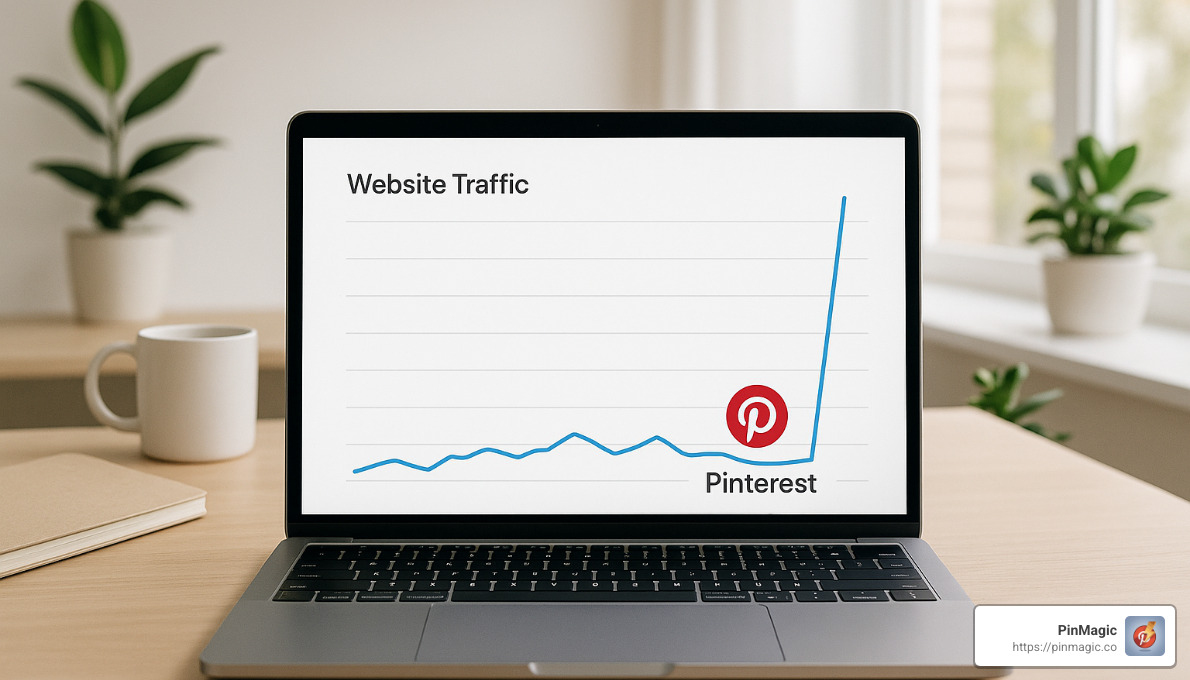
If you’re looking for a sustainable way to make money on Pinterest, using it as a traffic engine for your blog or website is arguably the most reliable approach. Think of Pinterest as your 24/7 marketing team, constantly sending interested visitors to your digital home.
Once these Pinterest visitors land on your website, you’ve got multiple ways to monetize their attention. You might display ads through networks like Google AdSense or premium providers like Mediavine when you reach higher traffic levels. Many creators sell their own products directly, embed affiliate links throughout their content, or focus on building an email list for future marketing campaigns. Some even showcase service offerings that visitors can book right away.
Create high-CTR (click-through rate) pin graphics
The secret to driving traffic isn’t just creating pins—it’s creating pins that people actually want to click on. Your pin is essentially a mini-billboard for your content, and it needs to stand out in a crowded feed.
Try creating a curiosity gap in your pin titles—share just enough to spark interest but hold back the complete solution. People are naturally curious, and they’ll click to satisfy that curiosity. Action-oriented phrases like “Learn how to” or “Find why” also perform exceptionally well because they promise value.
Numbers work like magic in pin titles too. “7 Ways to Save Money on Groceries” feels more tangible and achievable than a generic “Save Money on Groceries” title. And don’t put all your eggs in one basket—create multiple pin variations for the same content to see what resonates best with your audience.
One recipe blogger I spoke with was shocked to see a “22,000% increase in outbound clicks” after implementing these strategies for her food content. That’s not a typo—her traffic literally exploded overnight.
Optimize your website for Pinterest traffic
Getting clicks is only half the battle. What happens when visitors arrive at your site matters just as much for your monetization goals.
Your website should be ready to capitalize on this Pinterest traffic with strategically placed ads that don’t overwhelm the user experience. Include email sign-up forms in prominent positions—your email list will become one of your most valuable assets for long-term monetization.
Pay attention to the technical aspects too. Fast loading speeds are non-negotiable since Pinterest users tend to be impatient. And since over 80% of Pinterest browsing happens on mobile devices, your site absolutely must look great on smaller screens.
According to research published in the Journal of Research in Interactive Marketing, Pinterest users often find product information on the platform insufficient for making purchase decisions. This creates a perfect opportunity for your website to provide that comprehensive information they’re searching for.
Track and analyze your pin performance
The difference between moderate success and exceptional results often comes down to how well you understand your data. Pinterest Analytics becomes your best friend here.
Keep a close eye on your outbound clicks—this metric tells you exactly which pins are sending visitors to your site. But don’t ignore engagement metrics like saves and impressions either, as they indicate how well your content resonates with the Pinterest audience.
Pay attention to seasonal trends in your niche. If you’re in the fitness space, January pins about weight loss might perform dramatically better than the same content posted in December. Use this information to plan your content calendar strategically.
One lifestyle blogger shared her journey with me: “I increased my blog traffic from 12,289 to over 127,000 page views per month primarily through Pinterest. One post alone garnered 59,854 page views in just a few months.” These aren’t unusual results when you approach Pinterest with strategy rather than random posting.
Pro tip: Create a Pinterest-to-purchase funnel
Rather than hoping for random clicks to somehow convert into revenue, think of your Pinterest strategy as a deliberate funnel.
Start with broad-appeal pins that capture attention and build awareness. Then create content that focuses on specific solutions to problems your audience faces. As visitors engage more, showcase specific benefits and perhaps testimonials to build desire for your offerings. Finally, prompt action with limited-time offers or exclusive content that’s too good to pass up.
By tracking users through this funnel with tools like Google Analytics, you can identify where people drop off and optimize each stage for better conversions. This strategic approach transforms Pinterest from a random traffic source into a predictable revenue generator for your business.
3. Sponsored Content & Brand Partnerships
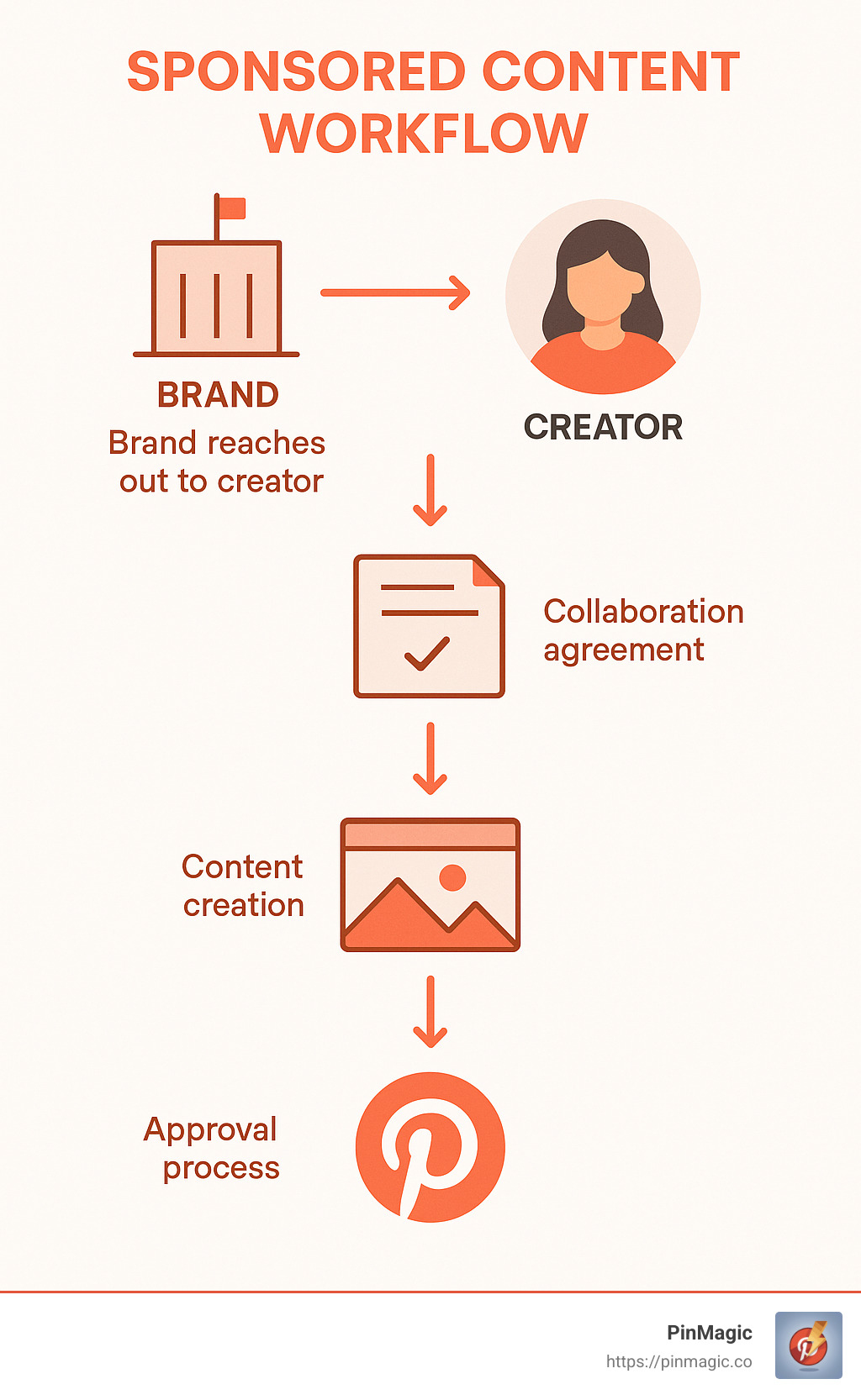
Once you’ve built a solid Pinterest presence, sponsored content can become your ticket to more substantial earnings. Think of it as brands essentially renting your Pinterest influence to showcase their products to your audience—and they’re willing to pay good money for it!
How to attract brand partnerships
The secret to landing those first few brand deals isn’t necessarily about follower count. It’s about positioning yourself as a Pinterest specialist who delivers results.
Start by building a consistent, niche-focused profile that clearly shows what you’re all about. Brands love creators who have a clear identity rather than those who pin about everything under the sun. Next, create a simple but professional media kit highlighting your Pinterest stats, audience demographics, and engagement rates. This becomes your visual resume when approaching potential partners.
Your ability to create high-performing pins speaks volumes to brands looking for ROI. Keep track of your best-performing content so you can showcase these wins. Demonstrating your understanding of Pinterest’s algorithm also sets you apart—brands want to work with creators who know the platform inside and out.
“Your authentic take on products resonates more with audiences than generic endorsements,” shares one Pinterest influencer I spoke with. “I only partner with brands whose products I genuinely believe in, and that authenticity shows in my engagement rates.”
Don’t wait for brands to find you! Take the initiative to reach out directly to companies whose products naturally fit your niche. Many creators land their first sponsored opportunities through proactive pitching rather than waiting to be finded.
Use Pinterest’s paid partnership tools
Pinterest has made brand collaborations more streamlined with their official partnership tools:
When creating a sponsored pin, you can access the paid partnership tool under Advanced Settings. This allows you to tag brand partners, giving them direct access to performance insights about the content you create for them—a huge selling point when pitching to potential sponsors.
Always use the official disclosure label to maintain transparency with your audience. Pinterest users appreciate authenticity, and proper disclosure builds trust with both your followers and the platform itself.
For more interactive sponsored content, explore Idea ads which offer a more immersive experience than standard pins. These can command higher rates and often perform better for certain types of products.
After your campaign runs, be prepared to provide detailed campaign reporting to demonstrate the value you’ve delivered. Brands appreciate creators who speak their language—metrics, conversions, and ROI.
You can learn all the ins and outs of Pinterest’s official collaboration features by checking out their paid partnerships for creators guide.
Set appropriate rates for sponsored content
“How much should I charge?” is probably the most common question new Pinterest creators ask. There’s no one-size-fits-all answer, but there are several factors that should influence your rates:
Your audience size and engagement rates provide the baseline—a 5% engagement rate with 1,000 followers might be more valuable than a 0.5% rate with 10,000 followers. The specificity of your niche matters tremendously; creators in targeted niches like “sustainable baby products” can often charge more than those in broader categories like “lifestyle.”
Consider the deliverables requested in your pricing. A single pin requires less work than a comprehensive campaign with multiple pins and Idea ads. Also factor in any exclusivity requirements (are you prohibited from working with competitors?) and usage rights (can the brand repurpose your content on other platforms?).
Based on our research with active Pinterest creators, sponsored pins typically earn between $200-$600 per approved pin, though rates can vary widely. One creator shared: “I started earning some extra money through sponsored content on Pinterest as a brand-new creator. The key was focusing on a specific niche where I could demonstrate genuine expertise and passion.”
Pro tip: Create a partnership pitch template
Save yourself time and stress by developing a customizable pitch template for brand outreach. Include a brief, friendly introduction about yourself and your Pinterest presence—keep it conversational rather than formal. Share relevant statistics that make your case compelling, and include examples of successful previous collaborations if you have them.
Outline clear partnership options with associated rates—brands appreciate transparency and straightforward pricing. End with a specific call-to-action that makes the next steps crystal clear. Something as simple as “Would Tuesday at 2pm work for a quick 15-minute call to discuss how we might work together?” is much more effective than “Let me know if you’re interested.”
Sponsored content is about building relationships, not just transactions. The brands that have the best experience working with you are likely to return for future collaborations and refer you to others in their network. Treat each partnership as the beginning of a potentially long-term professional relationship, and you’ll find that how to make money on Pinterest becomes increasingly easier as your reputation grows.
4. Sell Physical or Digital Products with Pinterest Shopping Features
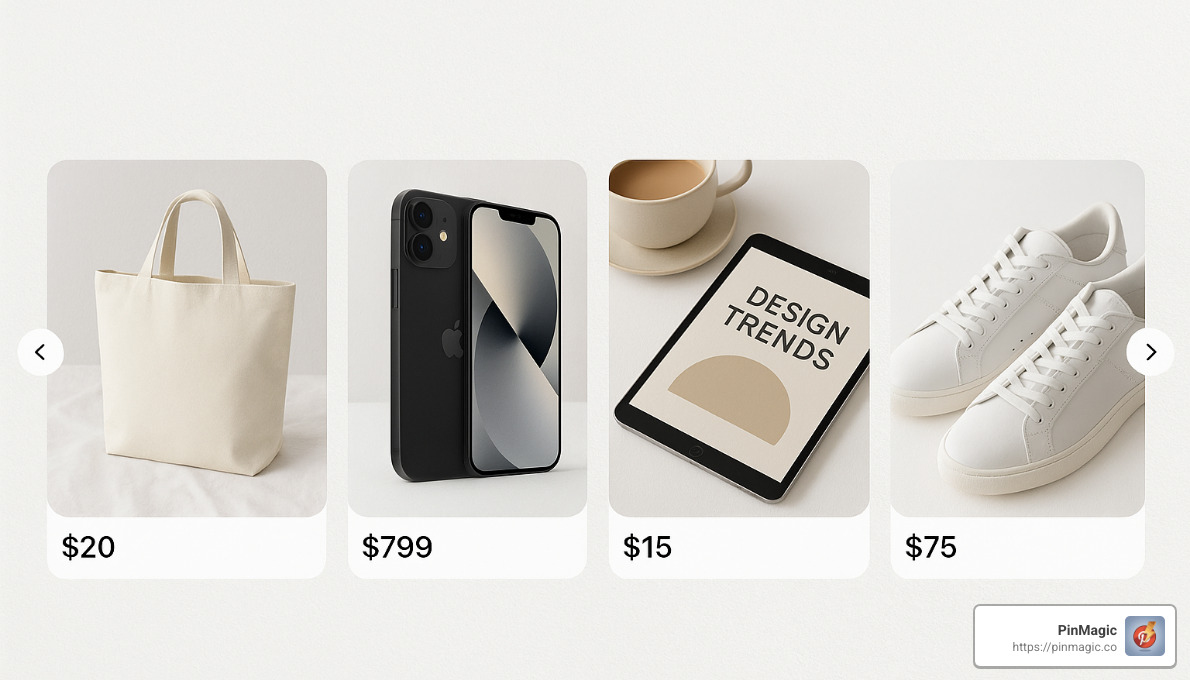
Ready to turn Pinterest into your own digital storefront? Whether you’re crafting handmade jewelry or selling digital planners, Pinterest’s shopping features can transform your creative passion into actual income.
Set up Pinterest Shopping features
Getting started with selling on Pinterest is surprisingly straightforward. First, you’ll need a business account – the foundation of all monetization strategies on the platform. If you’re still using a personal account, don’t worry! Converting takes just a few clicks.
Next, claim your website to verify you’re the legitimate owner. This step builds trust with both Pinterest and potential customers. Think of it as hanging your business license on your digital storefront wall.
For serious sellers, applying for the Verified Merchant Program is worth the effort. That little verification badge works wonders for customer confidence – similar to how people trust restaurants with health department certificates.
“The Verified Merchant badge increased my click-through rate by almost 30%,” one seller told us. “Customers feel safer buying when they see that official verification.”
You’ll also need to upload your product catalog, which you can do manually or through integrations with platforms like Shopify. The Shopify-Pinterest connection is particularly seamless, automatically syncing inventory and pricing updates.
Finally, enable rich product pins that display real-time pricing and availability information. This transparency eliminates surprises at checkout, which can significantly reduce abandoned carts.
Learn more about Pinterest Shopping features
Choose products that perform well on Pinterest
Not everything sells equally well on Pinterest. The platform has a distinctive audience with specific interests that shape buying behavior.
Home décor and furnishings consistently perform well, particularly unique pieces that photograph beautifully. Pinterest users often search for inspiration to transform their living spaces, making this category a natural fit.
Fashion and accessories thrive here too, especially items with visual appeal or unique styling possibilities. One boutique owner shared, “My statement earrings sell three times better through Pinterest than any other platform – the visual nature really showcases their uniqueness.”
Beauty and personal care products find eager audiences, particularly when pins demonstrate results or application techniques. Before-and-after pins are especially powerful here.
DIY and craft supplies connect with Pinterest’s creative audience. Many users come specifically looking for project ideas, making them receptive to purchasing the materials needed to bring those projects to life.
Digital products like printables, planners, templates, and online courses offer excellent profit margins since they don’t require inventory or shipping. One creator noted, “My $17 meal planning templates generate over $2,000 monthly, almost entirely from Pinterest traffic.”
Optimize your product pins for sales
Creating pins that actually convert browsers into buyers requires strategic thinking. Start with lifestyle images that show your products in use, not just isolated product shots. People want to envision how items fit into their lives.
Don’t limit yourself to one pin per product. Create multiple pin designs showcasing different angles, uses, or contexts. What appeals to one person might not catch another’s eye, so variety increases your chances of connection.
Always include pricing information in your pins. This pre-qualifies interested buyers and prevents disappointment when someone clicks through only to find the item costs more than expected. Pinterest actually rewards this transparency with better visibility.
Your pin descriptions should include detailed benefits and features. Don’t just describe what the product is – explain what problem it solves or how it improves life. “Handmade ceramic mug” is basic; “Handmade ceramic mug that keeps coffee hot for 30% longer while preventing spills” tells a complete story.
Implement dynamic pricing updates so your pins always display current prices. Nothing frustrates potential customers more than outdated pricing information, especially during sales or promotions.
Leverage shopping-specific features
Pinterest has developed several specialized features to improve the shopping experience. Product Tags let you make any inspirational pin shoppable – ideal for lifestyle photos where products appear naturally.
Use Collections to group related products together, creating a curated shopping experience. This works particularly well for seasonal items or coordinated sets.
Fashion and home décor sellers should explore Shop the Look pins, which allow users to purchase multiple items featured in a single inspirational image. These interactive pins make complex styling accessible with just a few taps.
Video pins demonstrating product features or usage have become increasingly powerful conversion tools. A quick 15-second demonstration can answer questions and overcome objections better than static images alone.
For sellers with larger inventories, Pinterest Catalogs automatically create and update product pins, saving hours of manual work. One home goods seller reported: “After setting up my catalog integration, my product pin creation time dropped from 10 hours weekly to practically zero.”
Pro tip: Use Pinterest to test new product ideas
Before investing in inventory or extensive product development, use Pinterest as your market research lab. Create concept pins for potential new products and monitor engagement metrics carefully.
Pinterest Analytics reveals valuable audience demographics that can inform product tweaks or marketing angles. You might find surprising interest from unexpected age groups or locations.
Consider running small-batch test campaigns before committing to full production runs. The data you gather can prevent costly mistakes and highlight unexpected winners in your product line.
One jewelry designer shared: “I was convinced my minimalist collection would outperform everything else. Pinterest data showed my colorful statement pieces got 5x more saves and clicks. That insight completely redirected my production priorities.”
The feedback loop on Pinterest is remarkably efficient – saves, comments, and click rates provide clear signals about product viability before you’ve invested significant resources. It’s like having a focus group that works around the clock.
By strategically using Pinterest’s shopping features, you can create a sales channel that continues working for you 24/7, connecting your products with people actively looking to buy. The visual nature of Pinterest makes it particularly powerful for products that benefit from being seen in context – which is why so many successful creators find it’s worth mastering these tools.
5. Scale Results with Pinterest Ads
Pinterest Ads offer a way to amplify your organic strategy and reach more potential customers. Unlike other platforms where ads feel intrusive, Pinterest users often find ads helpful and relevant to their searches.
Choose the right Pinterest ad format
Pinterest offers several ad formats to match your goals:
- Standard Pins: Regular pins promoted to a wider audience
- Video Pins: Motion-based ads that capture attention
- Carousel Pins: Multiple images users can swipe through
- Shopping Pins: Product pins with pricing and availability
- Idea Ads: Immersive, multi-page experiences
Each format has specific advantages depending on your objective. For example, Video Pins typically generate higher engagement, while Shopping Pins drive direct conversions.
Set up effective ad campaigns
To create Pinterest ad campaigns that deliver results:
- Define clear campaign objectives (awareness, consideration, or conversion)
- Set realistic budgets (starting with as little as $5/day)
- Target specific keywords relevant to your offering
- Define audience demographics and interests
- Implement conversion tracking to measure ROI
According to Pinterest, “69% of weekly Pinterest users say ads on the platform feel relevant to them, which is 30% higher than what weekly users on competing platforms say.”
| Metric | Organic Pins | Promoted Pins |
|---|---|---|
| Reach | Limited by algorithm | Controlled by budget |
| Targeting | Basic | Advanced demographics & interests |
| Cost | Free | $0.10-$1.50 per click |
| Analytics | Basic | Detailed conversion data |
| Speed of results | Gradual | Immediate |
Optimize your ad performance
To maximize your ad spend efficiency:
- A/B test different pin designs to identify top performers
- Refine targeting based on performance data
- Adjust bids for keywords based on conversion rates
- Create separate campaigns for different objectives
- Scale budget gradually as you identify winning strategies
One business owner reported: “Pinterest ads drove a 20× increase in customer inquiries compared to our organic pins. The key was targeting specific keywords our potential customers were searching for.”
Pro tip: Use the Pinterest Trends tool for ad planning
Before launching campaigns:
- Research trending topics in your niche
- Identify seasonal spikes in interest
- Find related keywords to expand your targeting
- Plan campaigns around peak interest periods
- Create content that aligns with current trends
This approach ensures your ad budget is deployed when users are most actively searching for related content, maximizing your return on investment.
Sign up for a free business account to access Pinterest Ads Manager and other business tools.
6. Grow Faster with Group Boards & Community Collaborations
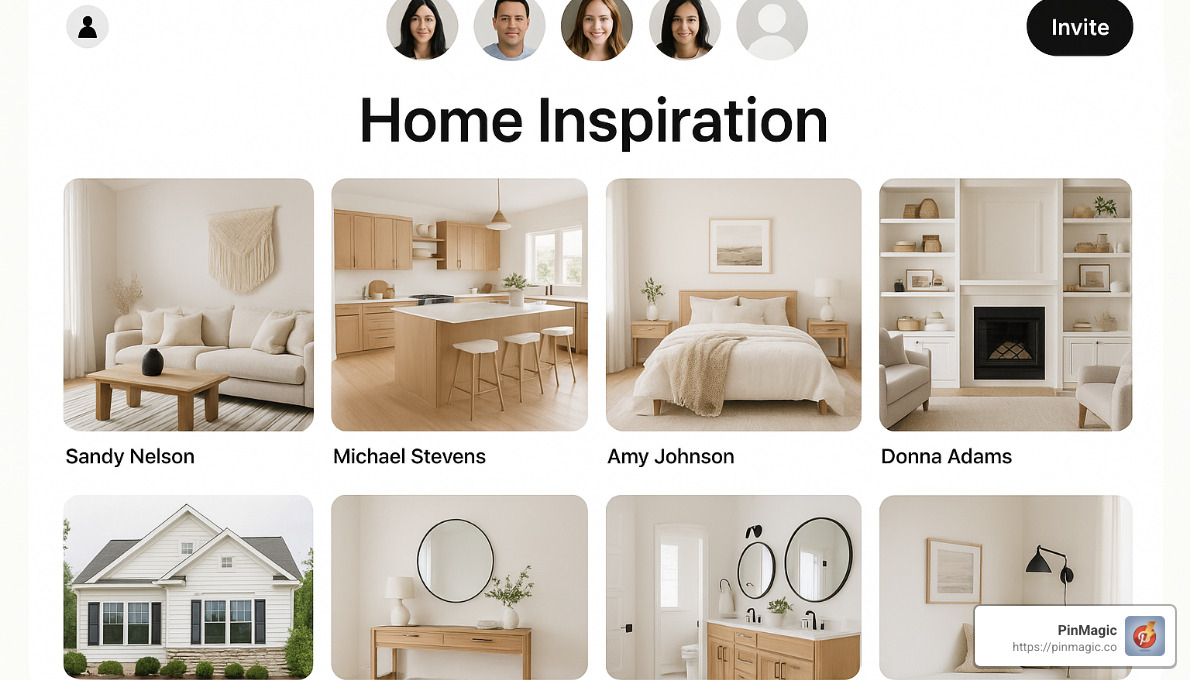
The Pinterest landscape has evolved over the years, but group boards remain a valuable tool in your monetization toolkit. Think of them as collaborative spaces where multiple creators can contribute pins to a shared board—essentially giving you access to audiences you haven’t built yet.
Find and join relevant group boards
Finding the right group boards feels a bit like dating—you’re looking for the perfect match for your content and style. Start by searching Pinterest using keywords related to your niche plus terms like “group board” or “collaborative board.”
The quality of the board matters far more than the quantity of followers. I’ve seen creators waste months pinning to massive but inactive boards with little to show for it. Instead, look for boards with genuine engagement—saves, comments, and a healthy pin-to-follower ratio. Active boards typically have more pins than followers, showing that people are actually contributing and engaging.
Before sending that join request, take a moment to review the board rules. Each board has its own guidelines about content types, pinning frequency, and reciprocation expectations. As one successful Pinterest marketer told me, “A group board with 39 members and almost 60,000 followers drives significant traffic to my running content—but only because I follow the board owner’s specific guidelines.”
When you’re ready to request access, craft a professional message highlighting what you’ll bring to the table. Board owners want contributors who add value, not those who simply promote their own content.
Create your own group board strategy
Once you’ve gained access to relevant group boards, it’s time to be strategic about your participation. Quality always trumps quantity when it comes to your contributions. Pin content that perfectly aligns with the board’s theme and follows all guidelines.
Engage meaningfully with other contributors’ content through saves and thoughtful comments. This builds goodwill and increases the likelihood that others will engage with your pins too. Pinterest’s algorithm notices these engagement signals.
Not all group boards will perform equally for you. Track your results to identify which boards drive the most traffic to your site or generate the most saves. Then, focus your energy on those high-performing boards rather than spreading yourself too thin.
The real magic happens when you build genuine relationships with board owners and active contributors. These connections often lead to additional collaboration opportunities beyond the group board itself.
Leverage community collaborations beyond group boards
Group boards are just the beginning of how community collaboration can accelerate your how to make money on Pinterest journey. The most successful Pinterest creators rarely work in isolation.
Consider reaching out to creators in complementary niches for cross-promotion opportunities. For example, if you create recipe pins, partnering with someone who focuses on kitchen organization could benefit you both. Your audiences overlap without direct competition.
Pinterest-focused Facebook groups offer another avenue for finding collaboration partners. These groups often share collaboration opportunities, strategy tips, and sometimes even form engagement pods where members support each other’s new content.
Collaborative Idea Pins are a relatively new feature worth exploring. These allow multiple creators to contribute to a single Idea Pin, exposing each participant to the other’s audience.
One creator who went from zero to 5,000 monthly website visitors in just three months shared: “My biggest growth came not from random group boards but from strategic collaborations with 3-5 creators in adjacent niches. We supported each other’s content and grew together.”
Pro tip: Use engagement signals to boost visibility
Pinterest’s algorithm pays close attention to how pins perform shortly after publishing. Those initial engagement signals often determine whether your pin gets broader distribution.
Coordinate with your collaboration partners to engage with each other’s fresh pins. Even a small group of 3-5 creators can generate enough initial engagement to signal to Pinterest that your content is valuable. Focus particularly on generating saves, as they’re one of the most powerful ranking signals.
Timing matters too. Plan your collaborations around seasonal trends when interest in your topic naturally peaks. The Pinterest Trends tool can help identify these optimal timing windows.
By combining strategic group board participation with intentional creator collaborations, you’ll build a community-powered growth engine that accelerates your Pinterest monetization journey—often without spending a dime on advertising.
7. Offer Pinterest-Focused Services (VA, Manager, Consultant)
If you’ve developed expertise in how to make money on Pinterest, you can leverage that knowledge by offering specialized services to businesses and creators who need help with their Pinterest strategy.
Pinterest Virtual Assistant (VA) services
As a Pinterest VA, you can offer services such as:
- Pin creation and design
- Scheduling and publishing content
- Keyword research and optimization
- Board organization and maintenance
- Basic analytics reporting
According to industry data, “Virtual Assistants earn anywhere from $25 to $100 per hour” depending on their expertise and the services offered.
One Pinterest VA shared: “I just put my notice in yesterday… I’m now able to do this full-time and leave my 9-5 behind! I secured two clients in my first two weeks and now earn a consistent $2,000/month.”
Pinterest Account Management
As a Pinterest manager, you provide more strategic services:
- Developing comprehensive Pinterest strategies
- Creating content calendars and themes
- Conducting competitor analysis
- Managing ad campaigns
- Providing detailed performance reports
The average social media manager’s salary in the United States reaches $54,368 per year, with Pinterest specialists often commanding premium rates due to their specialized knowledge.
Pinterest Consulting
As a Pinterest consultant, you offer high-level expertise:
- Pinterest audit and strategy development
- Training teams on Pinterest best practices
- Optimizing conversion funnels
- Developing cross-platform integration strategies
- Creating custom analytics dashboards
Consultants typically charge premium rates, often $100-$250 per hour or $1,000-$5,000 for project-based work.
How to acquire clients for Pinterest services
To build your Pinterest service business:
- Create a professional portfolio showcasing your Pinterest expertise
- Develop clear service packages with defined deliverables and pricing
- Use your own Pinterest success as a case study
- Network in business groups where potential clients gather
- Offer free mini-audits to demonstrate your value
One successful Pinterest consultant advises: “Start with one service you excel at, deliver exceptional results, and let satisfied clients become your marketing department through referrals.”
Pro tip: Niche down for higher rates
Rather than being a general Pinterest VA, consider specializing in:
- Pinterest for e-commerce
- Pinterest for service providers
- Pinterest for specific industries (wedding, home décor, fitness, etc.)
- Pinterest ad management
- Pinterest analytics and reporting
Specialists can command higher rates than generalists because their expertise delivers more specific value to clients.
Frequently Asked Questions about How to Make Money on Pinterest
How many followers do I need before I can monetize?
One of the most refreshing things about Pinterest? You don’t need thousands of followers to start making money.
Unlike Instagram or TikTok where follower counts reign supreme, Pinterest operates primarily as a visual search engine. This means your carefully crafted pins can reach interested users whether they follow you or not. What matters most is creating content that matches what people are actively searching for.
Think about it this way: when someone searches “easy dinner recipes” on Pinterest, they’re shown the most relevant pins for that query – not just pins from accounts they follow. This search-first approach means even brand new accounts can get their content finded.
That said, having engaged followers does provide an initial boost. A small group of 500 followers who regularly interact with your content sends stronger signals to Pinterest’s algorithm than 5,000 followers who never engage. Quality truly trumps quantity here.
As one Pinterest creator who generates $800+ monthly told me, “I started monetizing with just 72 followers. The algorithm cares more about how valuable your content is than how popular your account is.”
Do I need a business account to earn money on Pinterest?
Yes, a business account is absolutely essential if you’re serious about making money on Pinterest. But don’t worry – it’s completely free to create one or convert your existing personal account.
A business account open ups crucial monetization tools that personal accounts simply don’t have access to. You’ll get detailed Pinterest Analytics to understand exactly what’s working (and what’s not), the ability to claim your website and enable Rich Pins, access to advertising features, and professional tools like the paid partnership label for sponsored content.
Perhaps most importantly, brands looking for creators to partner with expect to see business accounts. It signals professionalism and commitment to the platform.
Converting your personal account takes literally minutes – just go to Settings → Account Management → Convert to Business Account. If you’re starting fresh, head to Pinterest’s business site to create a new business account from scratch.
Does Pinterest pay creators directly?
Here’s the straightforward answer: currently, Pinterest does not have a program that pays creators directly for their content.
Pinterest did previously run a Creator Rewards program where they paid creators directly for making specific types of content, but this program ended on November 30, 2022. Many creators were disappointed to see it go, as it provided a reliable income stream for those accepted into the program.
Instead of direct payments, Pinterest creators now earn money through several indirect methods:
Affiliate marketing remains one of the most accessible ways to monetize, earning commissions when your pins lead to purchases. Sponsored content from brand partnerships can be lucrative once you’ve established yourself in a niche. Driving traffic to your own monetized website with display ads or products continues to be effective. Selling products through Pinterest Shopping features allows for direct sales. And finally, offering Pinterest-related services like management or consulting can be surprisingly profitable.
Pinterest does still offer the Pinterest Inclusion Fund, which provides grants and support specifically for creators from underrepresented communities. Over 150 creators have benefited from this initiative since its launch in 2021.
As Pinterest states in their creator guidelines: “Pinterest does not facilitate payment; you arrange payments directly with brand or affiliate partners.” This means the platform serves as your marketing channel, but the actual money comes from external partnerships and your own monetization strategies.
Conclusion: Turning Pinterest Knowledge Into Consistent Income
Let’s be honest – how to make money on Pinterest isn’t about flashy overnight success stories or secret hacks. The real magic happens when you build a thoughtful, strategic presence that works with Pinterest’s unique nature as a visual search engine where people actively look for things to buy or try.
I’ve watched countless Pinterest creators succeed by embracing one fundamental truth: consistency matters more than perfection. When you show up regularly with fresh pins, you’re sending a clear signal to the algorithm that you’re a reliable creator worth promoting. This steady approach builds momentum over time, often surprising creators with how their older pins continue generating traffic months or even years later.
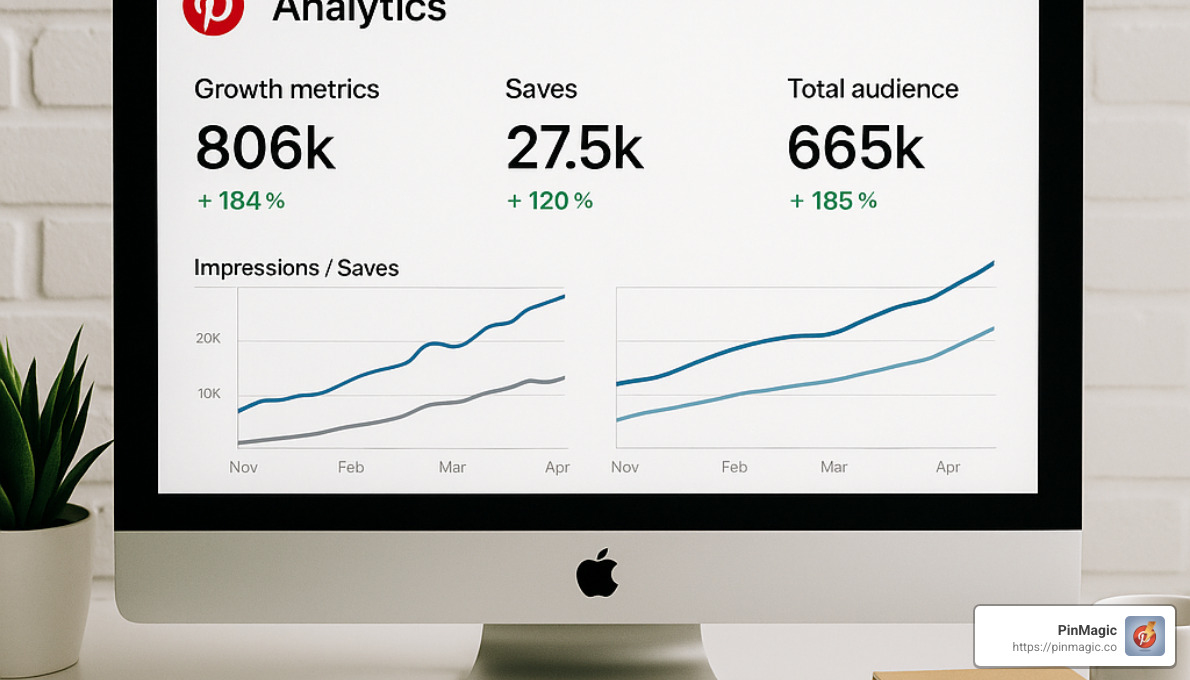
Measuring and iterating is your secret weapon for Pinterest growth. The platform gives you powerful analytics tools for a reason – use them! Pay attention to which pins get saved, which drive clicks, and which fall flat. This isn’t just data for data’s sake; it’s your roadmap to creating more of what works and less of what doesn’t.
The smartest Pinterest marketers I know run single-pin experiments all the time. They’ll create three variations of the same pin with different headlines, designs, or descriptions, then let Pinterest’s audience decide which resonates most. This testing mindset keeps you nimble and responsive to changing trends and preferences.
Don’t put all your Pinterest eggs in one monetization basket. The most stable income streams come from diversifying your approach – perhaps combining affiliate marketing with driving traffic to your ad-supported blog, while occasionally doing sponsored pins. This variety not only creates multiple revenue streams but also teaches you which methods work best for your particular audience and content.
Pinterest is constantly evolving, introducing new features and adjusting its algorithm. Creators who stay curious and adaptable consistently outperform those who stick rigidly to outdated strategies. Make it a habit to spend a little time each month learning what’s new on the platform.
Here at PinMagic, we’ve helped thousands of Pinterest creators streamline their path to monetization with our browser extension. Instead of guessing what might work, our tools give you one-click access to pin performance insights and bulk keyword analysis. Understanding exactly what’s working in your niche lets you create more of the content that drives real results.
What makes Pinterest unique among social platforms is how your work compounds over time. That helpful home organization pin you create today might continue bringing traffic to your blog or affiliate links for years to come. This makes Pinterest one of the most sustainable platforms for building long-term, semi-passive income streams.
Learn more about our bulk keyword analysis tool to give your Pinterest growth and monetization journey a significant boost.
So, what method will you try first to make money on Pinterest? Whether you’re just starting out or looking to scale what’s already working, implementing these strategies consistently will transform your creative pins into genuine profit. The beauty of Pinterest isn’t just in the pretty images—it’s in building a sustainable business that grows while you sleep.